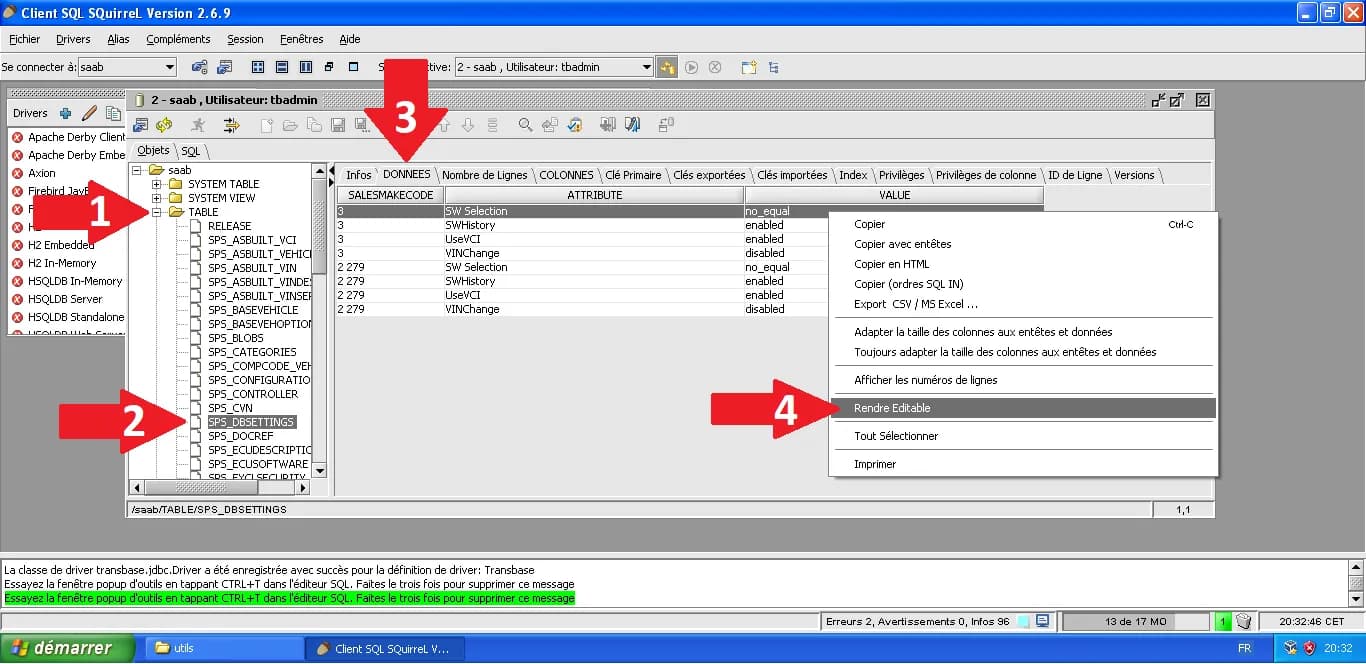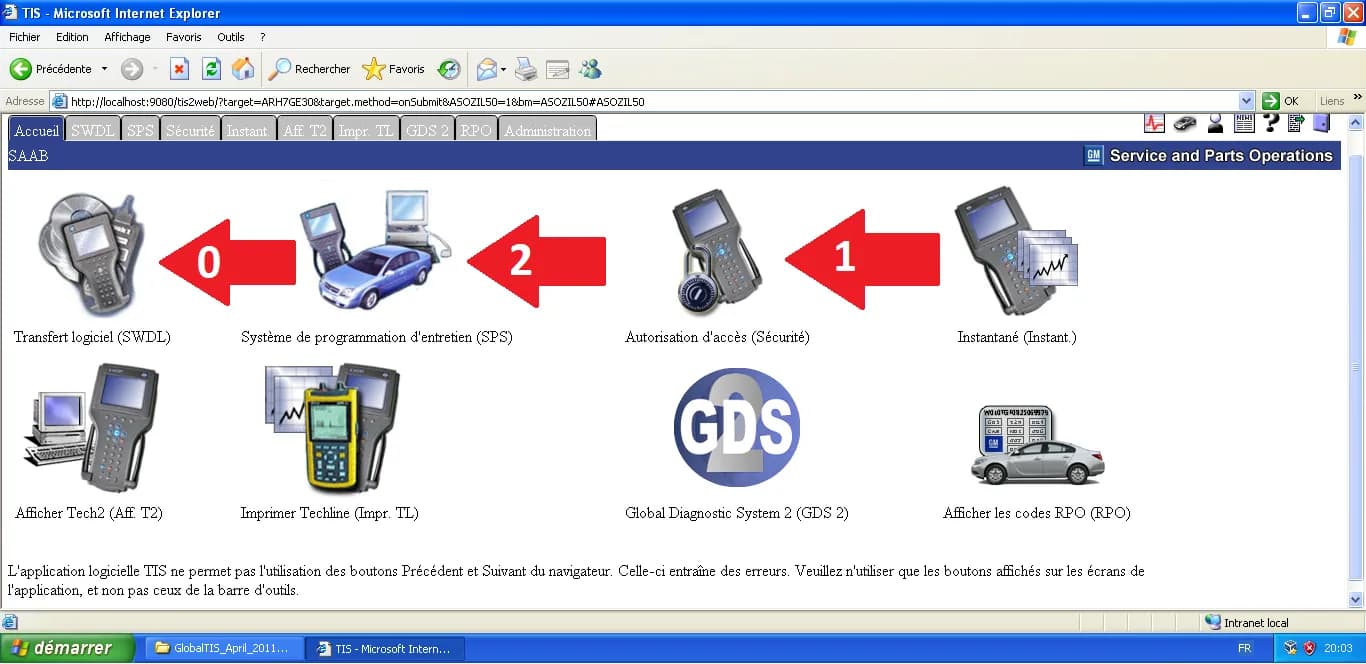
"Leave your laptop plugged into the car; we'll understand before we act."
This is often how it starts. Most owners who contact me have exhausted local options: general mechanics, swapping parts without success, or partial fault code readings. On these modern Saabs, incomplete diagnostics can be expensive... without solving the root cause.
Why Remote Diagnostics Works
A Saab 9-3 NG is a very "network-heavy" car. Several systems communicate via buses, and certain tools must be adapted to this complexity. Workshop documentation reminds us that on certain models, the buses are directly accessible via the diagnostic port, with specific requirements for adapters and toolchains depending on the vehicle.
A Step-by-Step Method (Not Magic)
A serious remote diagnostic follows a clear progression:
1) Stabilize the Context
- Proper battery maintainer/charger.
- Stable PC (power plugged in, sleep mode disabled).
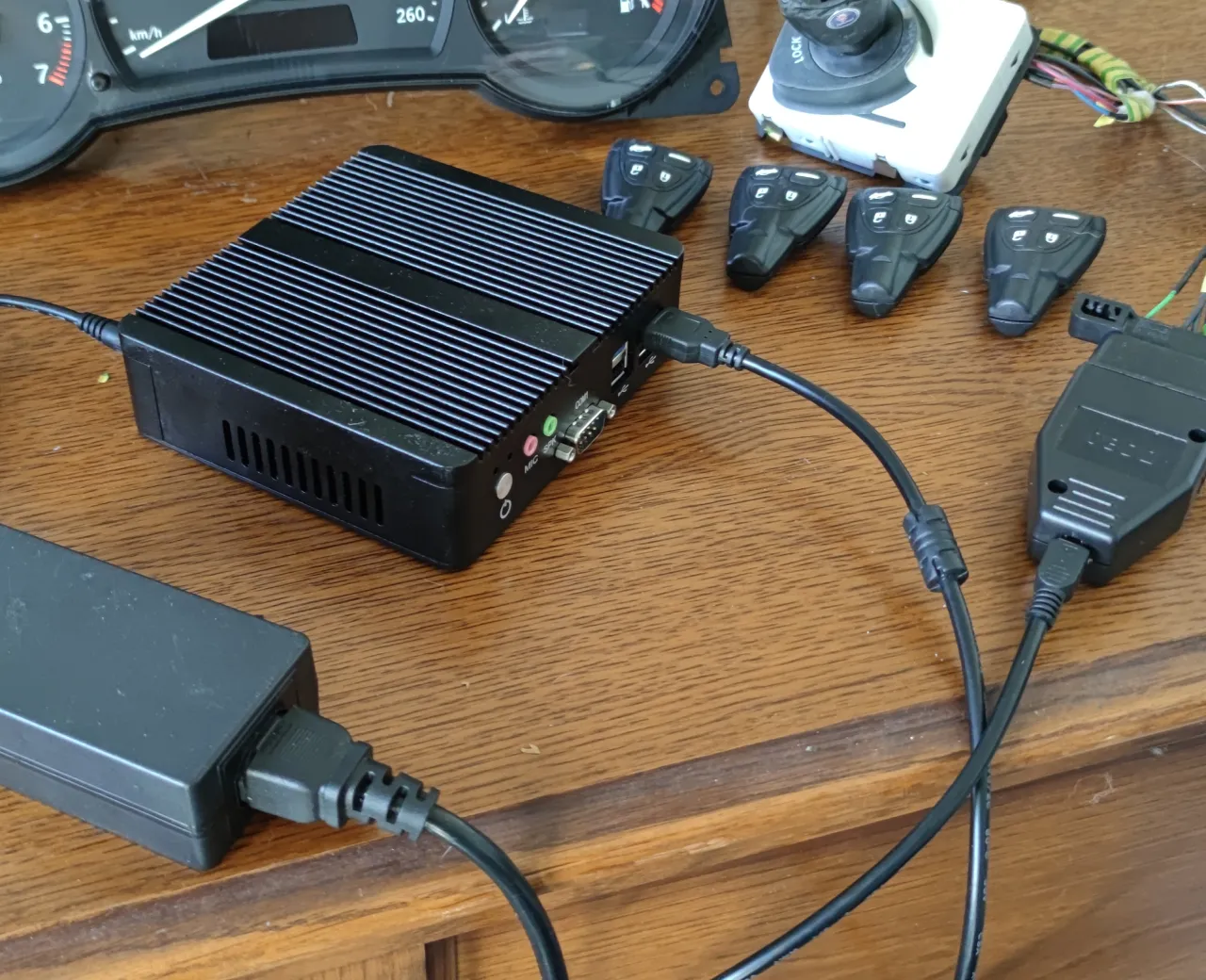
- Reliable and recognized interface (MDI, Scanmatik, etc.).
2) Observe Before Acting
- Full DTC (Diagnostic Trouble Code) reading.
- Bus states and module presence.
- Parameter consistency.
3) Decide with a Plan
For high-risk operations (programming/flashing), the rule is simple: if the environment isn't stable, we don't force it. A voltage drop or network cut at the wrong time can degrade the ECU.
The Real Value: Reducing the Distance
Remote support isn't about "hacking." It's about gaining time on interpretation, avoiding unnecessary part replacements, and documenting a reproducible approach.
Anything involving access or security follows a window: legitimate intervention, verified ownership, and refusal of ambiguous requests.
"Remotely, we don't replace the workshop. We replace uncertainty with a method."
References and technical validation:
- Diagnostic complexity and adapter needs (CANdi/bus/tools) mentioned in Saab documentation (WIS).
- Tech 2: GM User Guide (context, connection, stability) (Tech2 User Guide).